




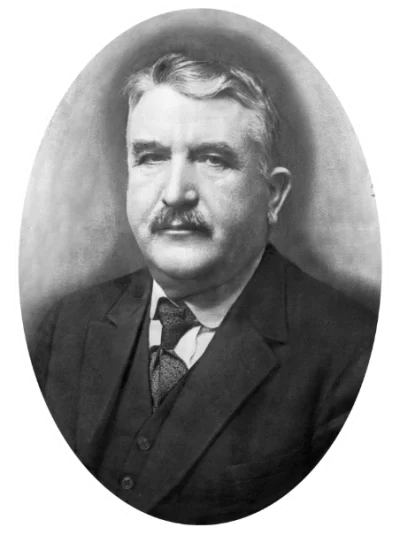
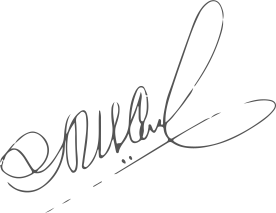

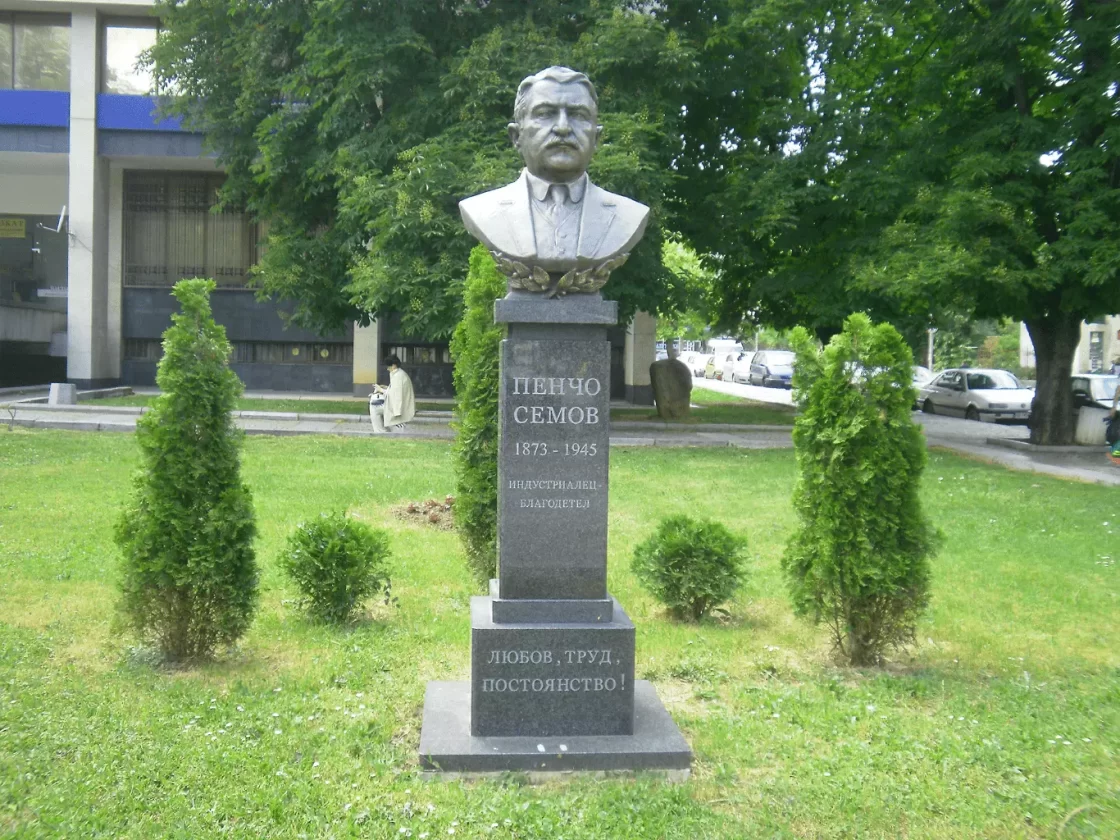
PENCHO SEMOV
“The most socially minded industrialist in the Balkans”
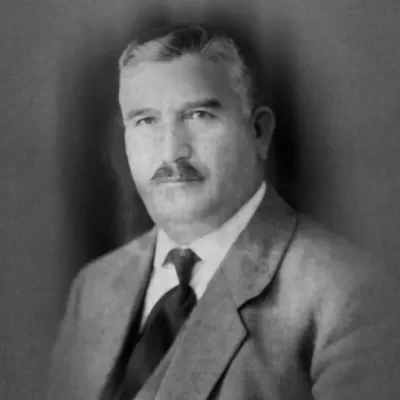

“WORK, LOVE, PERSEVERANCE.”
Early years

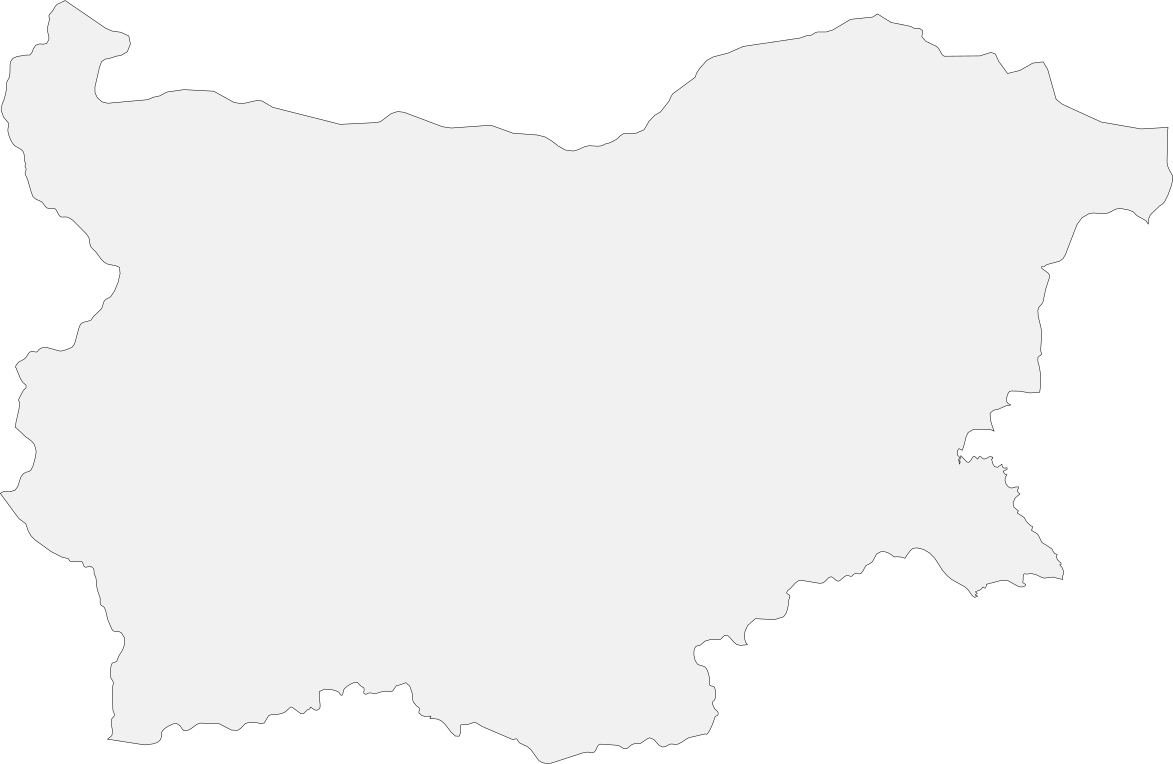
Tsvyatkovtsi village
The firstborn son of Ivan and Bona Semovi. Until the age of 11 he lived in his native village of Tsvyatkovtsi. He first came to Gabrovo in 1882. He was keen on learning foreign languages and spoke Turkish, Russian and French. He helped his father in his work as an itinerant trader. In 1898 he married Anitsa Gadeva Taleva. After her death, in 1902 he married Radka Nikolova Pateva
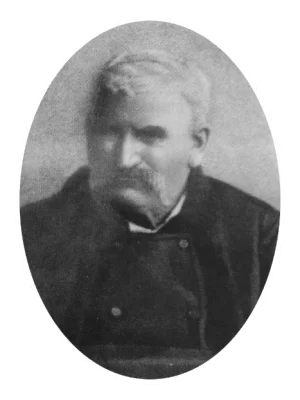
Ivan Semov
(1833 – 1917)
(1833 – 1917)
Father
Pencho Semov’s father, Ivan Semov, was born in 1833 in Tsvyatkovtsi, Handashka (Sabotkovska) municipality, according to an administrative document issued in 1898. Nothing is known about his parents, where they came from or what they did for a living.

“My father’s name was Ivan – a villager and travelling merchant, born in the village of Tsvyatkovtsi”
Mother
Bona Nedyalkova was a descendant of the large Popovi family of Bozhentsi. The family built its fortune through trade and entrepreneurship.
Her family traces its roots to this picturesque Balkan village near Gabrovo.
Legend has it that the Tarnovo noblewoman Bozhana, fleeing from the Turks, settled here with her sons and daughters.
The village she founded bears her name – Bozhentsi.
Her family traces its roots to this picturesque Balkan village near Gabrovo.
Legend has it that the Tarnovo noblewoman Bozhana, fleeing from the Turks, settled here with her sons and daughters.
The village she founded bears her name – Bozhentsi.
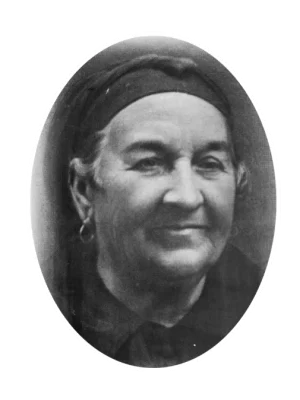
Bona Semova
(1843 – 1924)
(1843 – 1924)
“My mother, Bona Nedyalkova, was a farmer from the village of Bozhentsi”
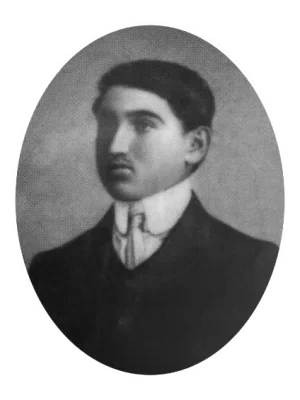
Nedyalko Semov
(1886 – 1916)
(1886 – 1916)
Brother
Nedyalko Ivanov Semov (1886 – 10 June 1916) was the youngest son of Bona and Ivan Semovi. He graduated from a commercial high school and worked with his brother Pencho Semov in Varna.
He was a shareholder in the First Jute Factory “Kiril” AD, Varna, and was described as bright, responsible and hard-working.
He was a shareholder in the First Jute Factory “Kiril” AD, Varna, and was described as bright, responsible and hard-working.
Sister
Radka Ivanova Mincheva (1888 – 1963) was the sister of Pencho Ivanov Semov. Radka Ivanova Semova (1888 – 1963) was born in the village of Tsvyatkovtsi.
In 1904 she married the merchant Dimitar Ivanov Minchev (1881 – 1941).
In 1904 she married the merchant Dimitar Ivanov Minchev (1881 – 1941).
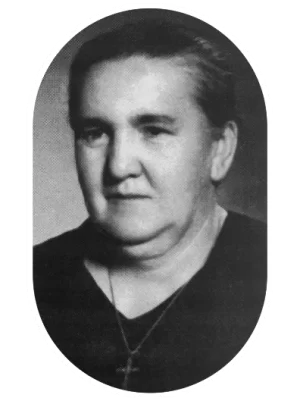
Radka Semova
(1888 – 1963)
(1888 – 1963)

Family tree of the Semov family
- Parents: Ivan Semov (1833–1917) and Bona Popova (1843–1924)
- Children of Ivan and Bona Semovi: Pencho Semov (1873–1945), Semo (1882–1940), Ivanka (1886–1916), Nedyalko (1886–1916), Radka (1888–1963), Deshka (1894–1916)
- Pencho Semov’s first marriage – to Anitsa Taleva (1881–1901); children: Ivan (1899–1902) and Bonka (1900–1903)
- Second marriage – to Radka Pateva (1884–1958); son: Pencho (1924–1999), married to Tsveta Boyanova (1921–2009)
- Grandchildren: Boyan (1959–1998) and Tatyana (1965)
- Great-grandson: Pencho Semov (1987)
On 26 July 1898, in the church of St John the Baptist in Gabrovo, Pencho Ivanov Semov – merchant by trade, literate, Orthodox by faith – married Anitsa Gadeva, homemaker, literate, Orthodox by faith. They had two children – a daughter, Bonka, and a son, Ivan.
“Her youth was thrilling – everything in
her radiated tenderness and beauty.”
her radiated tenderness and beauty.”
Sadly, a great tragedy struck the family. On 11 November 1901 Anitsa Semova died, and less than four months later the father also buried his son Ivan.
Both were diagnosed with tuberculosis. His daughter Bonka was still alive and a spark of hope still burned in Pencho Semov. But on 14 March 1903 she died too – also of tuberculosis.
As a result of this tragedy, Semov used his own money to set up a fund to fight tuberculosis and built the specialised hospital for lung diseases in Gabrovo, which still bears his name today.

At his mother’s insistence, in September 1902 he agreed to marry again, because someone had to take care of his child Bonka, and almost a year had passed since the death of his beloved Anitsa. Marrying again was not what Pencho Semov wanted!
He hesitated for a long time, surely weighing the arguments “for” and “against”. The decision was very hard. Among the brides his mother suggested, he chose the beautiful 18-year-old Radka Nikolova Pateva (21 November 1884 – 9 September 1958).
He hesitated for a long time, surely weighing the arguments “for” and “against”. The decision was very hard. Among the brides his mother suggested, he chose the beautiful 18-year-old Radka Nikolova Pateva (21 November 1884 – 9 September 1958).
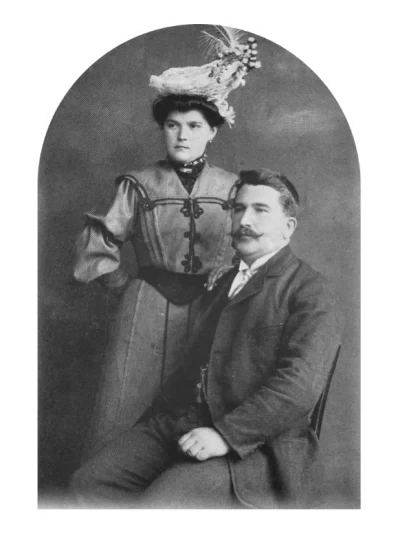
Radka and Pencho Semovi, Gabrovo, 1907
They were married on 8 December 1902 in the church of St John the Baptist in Gabrovo.
His daughter Bonka was still alive and a spark of hope still burned in Pencho Semov. But on 14 March 1903 she died too – also of tuberculosis.
Throughout their 43 years together, Radka Semova never told anyone about the first year of their marriage, about Bonka’s death, or that the child’s last days were witnessed by Gadyu Talev – Anitsa’s father – and Nikola Ivanov Patev – Radka Semova’s father.
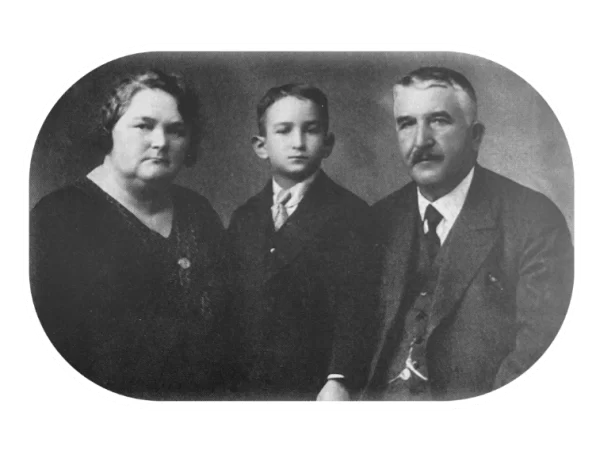
Radka and Pencho Semovi with their son Pencho, 1930
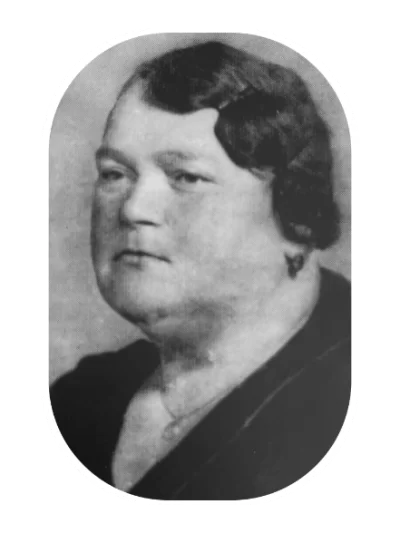
Radka Semova, 1938
Brought up in a patriarchal spirit, from an early age she learned to value hard work and honesty, to respect family traditions and to honour her parents and relatives.
The solid foundations of her upbringing at home were broadened at school. She learned everything needed to be a true mistress of the house, a wife and a mother.
The solid foundations of her upbringing at home were broadened at school. She learned everything needed to be a true mistress of the house, a wife and a mother.
“My mother was always a realist, without ever being a pessimist, even in the hardest moments of her life.”
The modern entrepreneur

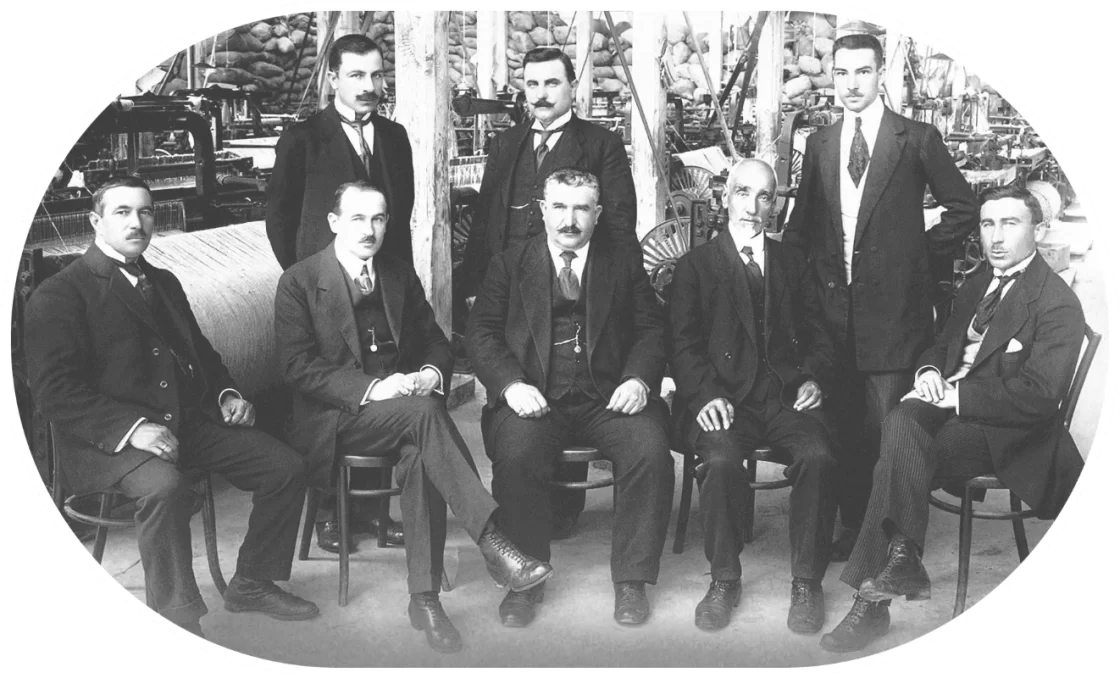
Shareholders and board members of the “Kiril” jute factory AD
For more than half a century Pencho Semov worked for the economic advancement of Bulgaria, excelling in trade, industry and banking.
It all began in 1886, when, having barely finished the first class of the time (today’s fifth grade), he set off with his father. As itinerant traders they sold craftsmen’s goods and bought hides and wool from the Dobrudzha villages, which were in demand in Gabrovo.
With the little money they had saved they opened a drapery shop in Tutrakan, “where they often stopped on their rounds of the neighbouring Danube villages”.
The father left his young son in charge of the sales. Some of the older merchants in Tutrakan stopped talking to him, and some customers refused to buy from him.
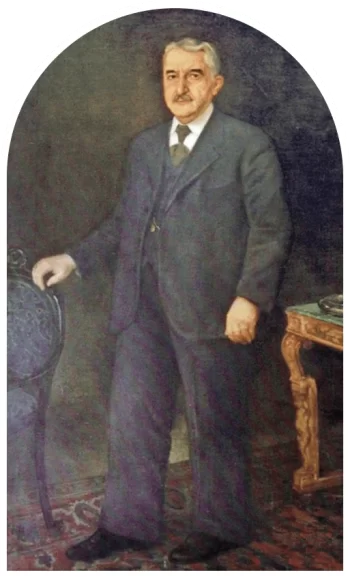

Another boy would have given up, but for Pencho Semov every rejection only strengthened his determination and perseverance.
The days in Tutrakan marked the beginning of his entrepreneurial career. All the hidden energy, lulled deep inside during his village childhood, hurried to awaken for a stormy life in the world of business.
And so, in 1898, Pencho Semov invested part of his savings in his first enterprise: the general partnership and soap factory (workshop) “Talev-Semov”, rising to the rank of partner of Gadyu Talev.
Once aboard the steamer of action, he never stumbled over doubts. They made soap and sold it both in Dobrudzha and in the Romanian villages along the Danube. Pencho Semov worked hard in Gabrovo from 1898 to 1900 and proved himself.
People stopped calling him “Pencho” and began to address him as “Mr Semov” before he turned 30.
Asset growth resulting from the capital invested by joint-stock companies – factories in which Pencho Semov held shares
6 794 000 BGN
Initial capital
157 262 761 BGN
Increased capital
535 610 463 BGN
Final fixed assets
1 082 582 000 BGN
Total final assets
Success

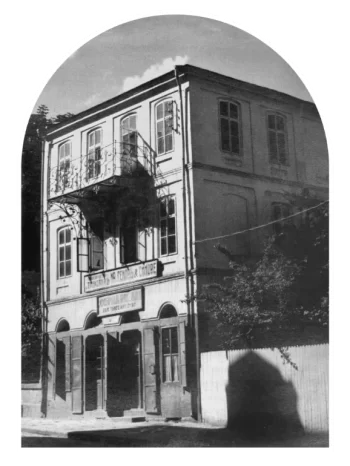
The “Ivan Semov & Sons” AD factory – Gabrovo
Pencho Semov worked hard in Gabrovo from 1898 to 1900 and proved himself. People stopped calling him “Pencho” and began to address him as “Mr Semov” before he turned 30.
He had an incredible drive to work and showed it quite openly.
By 1904 he was already a shareholder in the “Nadezhda” AD woollen textile factory. According to the “Book of Gabrovo Industry”, the idea of founding this company belonged to the great businessman and tanner Andreya Momerin.
In 1905, together with his father and his brother Semo, Pencho Semov founded the general partnership “Ivan Semov & Sons – Pencho and Semo Ivanovi Semovi” for trade in hides, wool and other itinerant commerce.
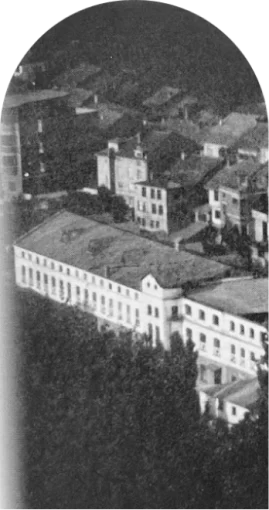
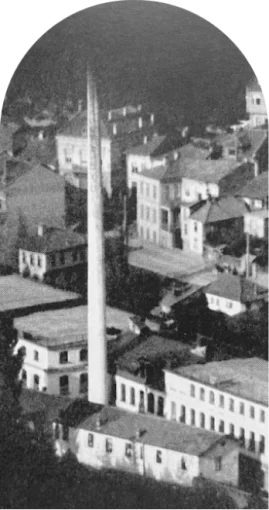
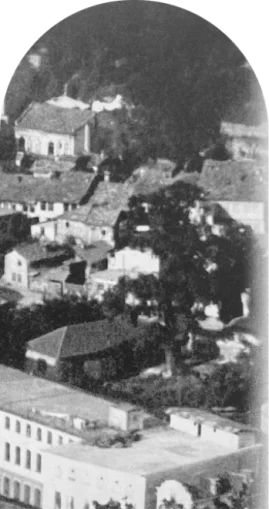
During this period Pencho Semov became interested in knitwear production in Gabrovo. He started by introducing hand knitting and sewing machines into homes in the town and the surrounding villages. In this way he provided a source of income for poor families.
P. Semov also played a major role in the progress of another industrial enterprise – the “Uspeh” woollen textile factory in Gabrovo. In 1917–1918 he bought the majority of the shares of the “Uspeh” joint-stock company and turned the factory into his core business.
Thanks to the capital he invested in production and his excellent business skills, “Uspeh” became one of the largest Bulgarian woollen textile companies. P. Semov also took great care of the “Prince Kiril” cotton textile factory in Gabrovo.
In the 1930s its annual output reached 10–15 thousand kg of knitwear. Having strengthened his financial position and earned authority among the town’s industrial circles, enterprising and innovative in spirit, P. Semov was among the initiators and the largest shareholders of many factories.
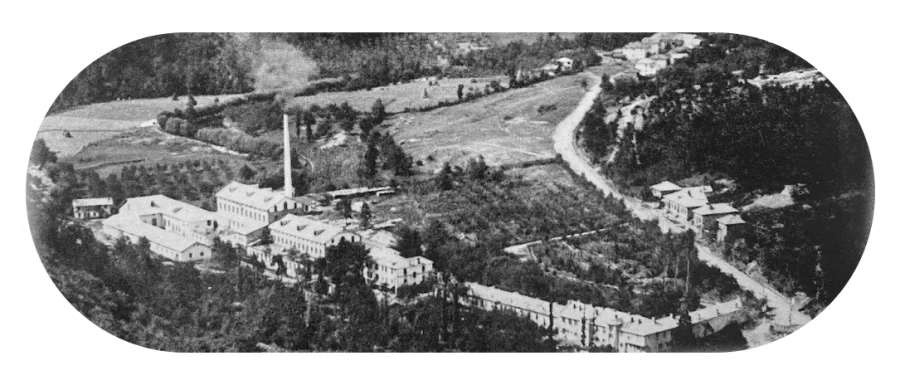
“Uspeh” AD – a factory for woollen yarns and fabrics
The Benefactor

“LET US HELP – THAT IS ALL WE HAVE LEFT.”
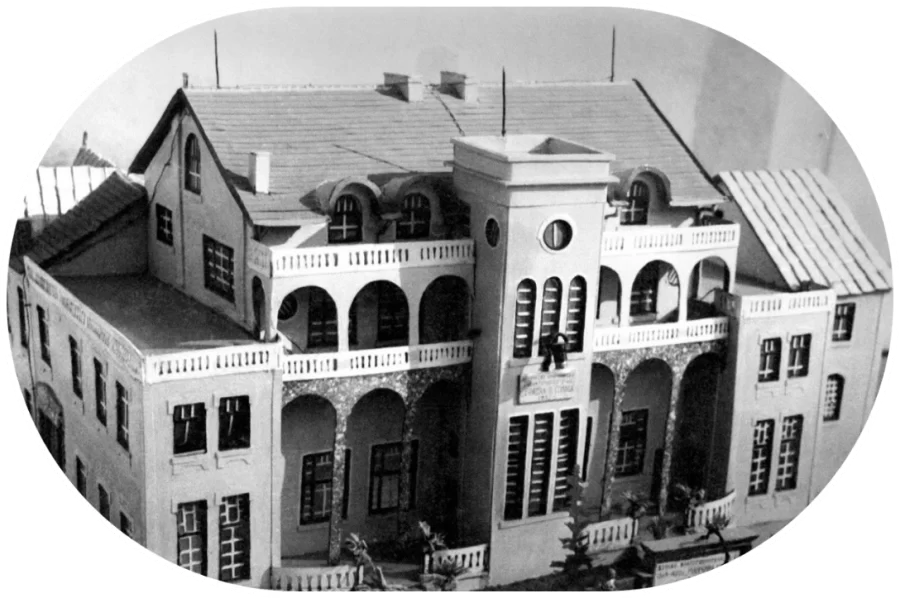
The building of the “Maternal Care” women’s charitable society
Pencho Semov lives on in people’s hearts through his philanthropy. In the 1920s the people of Gabrovo called him “the Benefactor”.
His great love was Bulgaria and its ordinary people, with their virtues and calloused hands. He bowed before their life of toil, from which the Bulgarian character and spirit originate.
The desire to be useful to his people drove him to social work. His patriotism raised him high above party passions and everyday quarrels. He never allowed himself to use his influence and wealth for selfish ends.
He used his personal wealth by donating...
According to researchers of Semov’s life, his personal donations amounted to about 55 million leva, and those made through his foundation to more than 200 million leva.
Over 250 million Bulgarian leva in donations

Tracing the broad scope of his charitable and public-spirited work, we can identify the areas it covered:
- the state and the municipalities;
- schools;
- Bulgarian culture;
- civic organisations and committees;
- churches and monasteries;
- the workers in his factories.
- the state and the municipalities;
- schools;
- Bulgarian culture;
- civic organisations and committees;
- churches and monasteries;
- the workers in his factories.
In 1919 he donated 300,000 gold leva for lobbying in Bulgaria’s favour
during the negotiation of the Treaty of Neuilly.
In the mid-1930s the industrialist’s foundation, which bore his name, donated 300,000 US dollars for the buildings of the Faculty of Agriculture of Sofia University (whose successor is the Agricultural University in Plovdiv) and for the Institute of Infectious and Parasitic Diseases in Bulgaria.
In his first will, of 1928, Semov left funds for the construction of a building for the Union of Industrialists in Gabrovo.
His money bought the building of the women’s charitable society
“Maternal Care” and built the School of Economics in Gabrovo.
In Sofia Semov built, and for a long time financially supported, Bulgaria’s first shelter for the homeless.
His money bought the building of the women’s charitable society
“Maternal Care” and built the School of Economics in Gabrovo.
In Sofia Semov built, and for a long time financially supported, Bulgaria’s first shelter for the homeless.
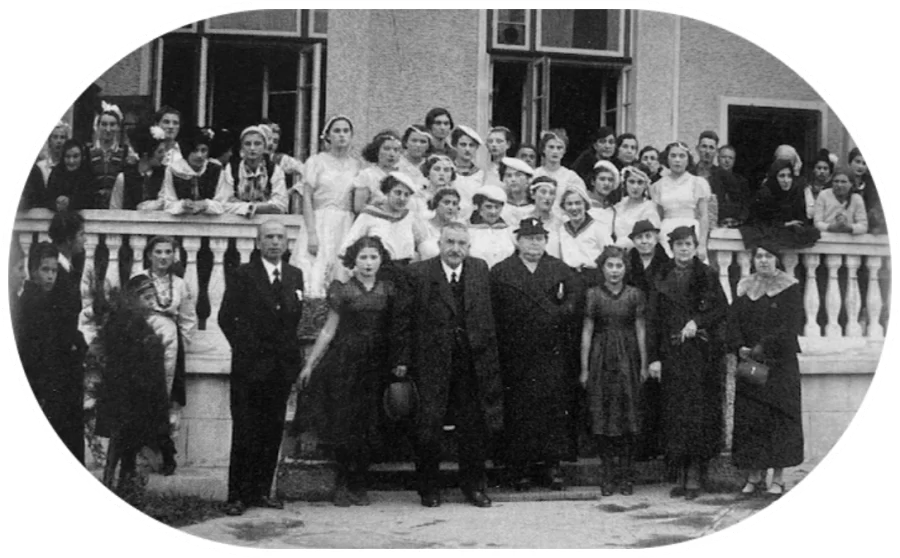
The Semov family in front of the “Maternal Care” women’s charitable society with teachers and a theatre and dance group, 1938
He supported free canteens for schoolchildren in Gabrovo, Varna and Kazanlak.
He sponsored the education of many pupils and of the children of workers in his
factories, spending more than 3 million leva.
He donated funds to the Catholic St Augustine College in Plovdiv, the Aprilov High School in Gabrovo, and schools in Varna and other towns.
In 1936 Semov donated his villa and part of his estate in Varna to the Union of Journalists in Bulgaria. These properties were valued at 450,000 gold leva.
Legacy

The many donations Semov made during his lifetime place him among the most generous benefactors of the town.
He was awarded the Order of Civil Merit, 4th class (1928), the Order of St Alexander, 2nd class, and commemorative medals for taking part in the wars of 1912–1913 and 1915–1918.
He was awarded the Order of Civil Merit, 4th class (1928), the Order of St Alexander, 2nd class, and commemorative medals for taking part in the wars of 1912–1913 and 1915–1918.
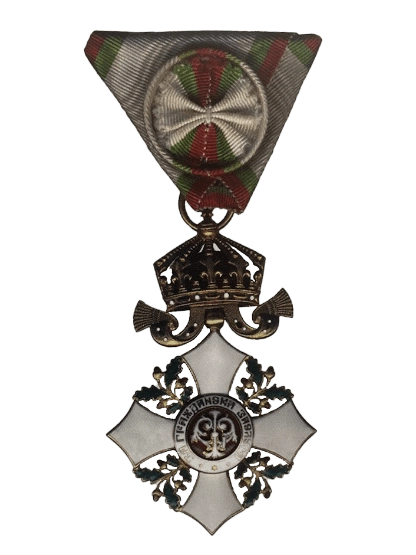
He bequeathed shares in factories and banks to 34 organisations and societies, without forgetting his relatives and friends and the workers of the “Uspeh” and “Vilata” factories.
In 1943 he amended his will and took the initiative to set up a charitable foundation himself, to which he gave for charity
50% of his property.
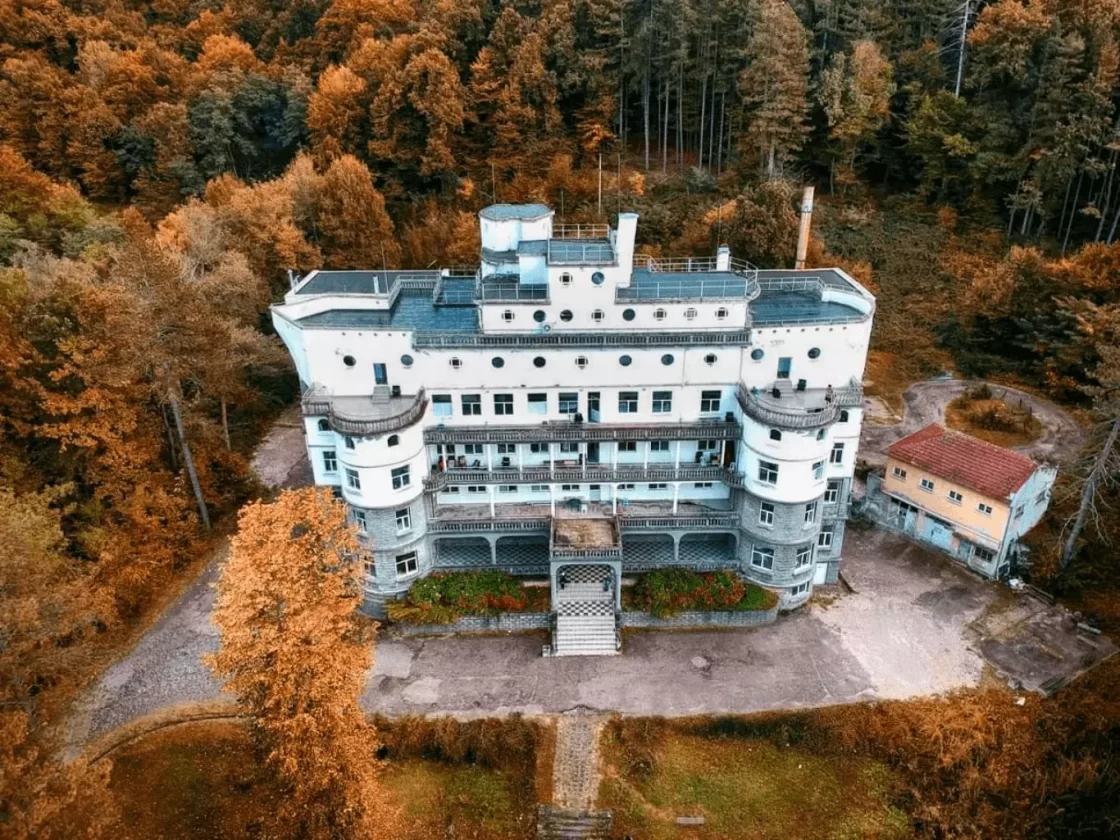
He built a girls’ boarding house shaped like a steamship near the Staropitalishte, to bear the name “Radka and Pencho Semovi”.
He also planned a boys’ boarding house “Bona and Ivan Semovi”, a sanatorium in his native village of Tsvyatkovtsi and a factory in the nearby village of Sabotkovtsi.
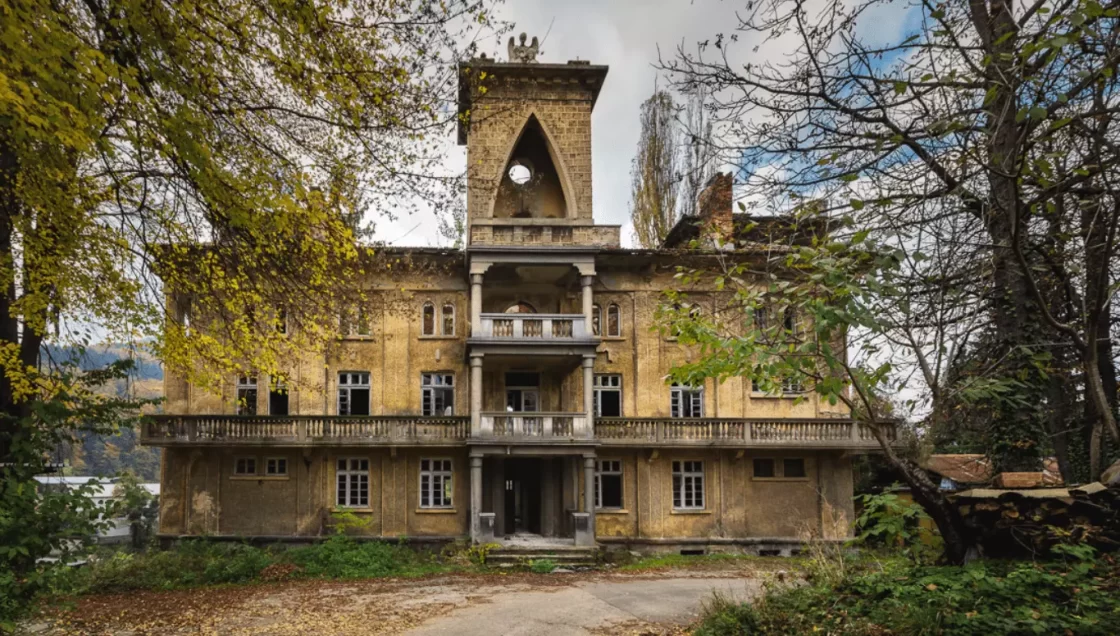
The political changes in the country after 9 September 1944 thwarted the foundation’s charitable plans.
Under the law on the nationalisation of private industrial enterprises of 23 December 1947, the funds set aside for it in the factories were frozen.
The buildings Pencho Semov built still stand today, but they are not used according to his will, and the foundation’s shares and bonds were nationalised.
Pencho Semov died on 10 July 1945. Thousands of people from Gabrovo accompanied him to his final resting place as a last tribute to him and to his life, summed up in these words:
“I came into this world poor, and all my life I created, struggled and won – my work is there for all to see! I was a teacher without being a pedagogue, I am rich without being an egoist. I am socially minded without being a socialist. I worked with inspiration without being a poet.”
Pencho Semov Non-Profit Association
Our mission is to honour the remarkable legacy of Pencho Semov – a man who devoted his life to progress, an entrepreneur who helped Bulgaria’s industrial growth and a philanthropist who supported many charitable causes in different fields. We strive to highlight his significance and to carry on his legacy.
Founding Board
 Andrey NikolovBogdan AndreevVentsislav Velinov
- Darin Tsankov
 Diana IvanovaEmil Mihov
- Maria YozovaRadoslav StoyanovStiliyana Sabeva-Tincheva
Goals of the Association
Promoting the role of the philanthropist Pencho Semov by highlighting the importance of charity in different spheres.
Making a film about Pencho Semov
Establishing an award in Pencho Semov’s name
Establishing a scholarship in Pencho Semov’s name
Supporting participation and projects in Bulgaria and abroad
Initiating an award in Pencho Semov’s name
Means of achieving these goals:
Organising constructive events
Organising charity events
Maintaining contacts with associations
Publishing
Working on projects related to the Association’s goals
Join the cause
Every contribution will be used to carry out the Association’s causes, and every donated amount will be made public.